Spray Foam Material Conditioning & Storage — Temperature, Shelf Life, and Jobsite Handling
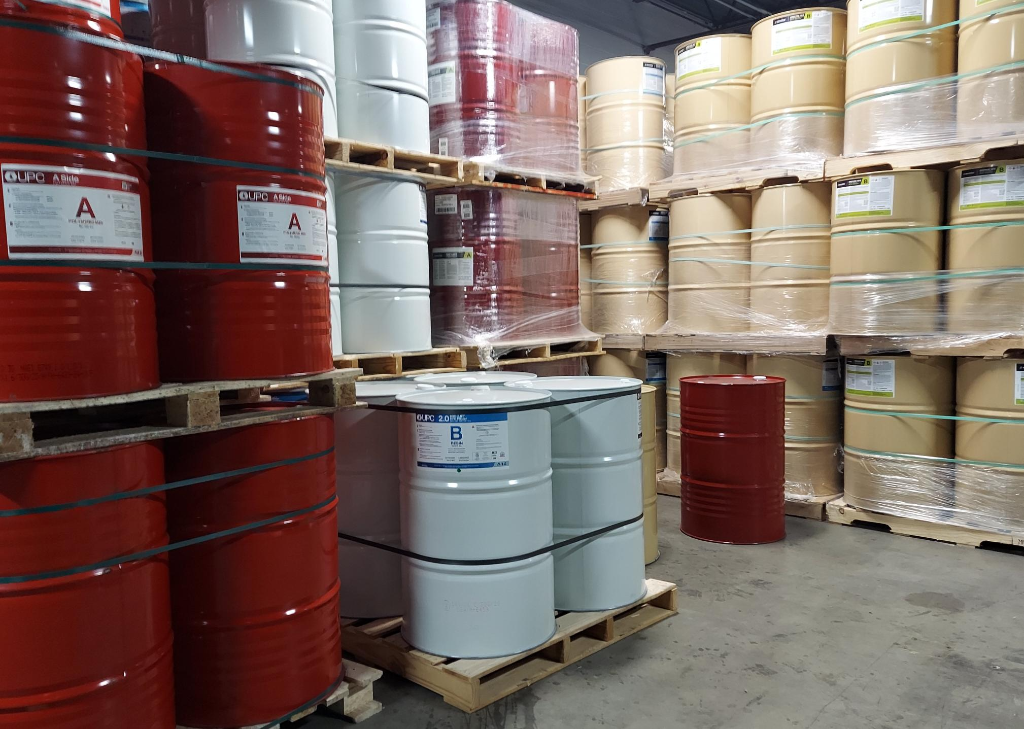
Spray polyurethane foam insulation is manufactured on-site by combining two liquid chemical components, commonly referred to as the A-side (isocyanate) and the B-side (resin blend). Because spray foam is produced directly at the jobsite, proper chemical storage and conditioning are critical to consistent foam performance.
Contractors operating spray foam rigs are effectively running a mobile polyurethane processing system. Material temperature, storage conditions, and chemical shelf life all influence how the foam reacts once it reaches the spray gun.
MATERIAL CONDITIONING
Before spraying begins, spray foam chemicals must be brought into the manufacturer's recommended processing temperature range.
Most spray foam systems require material temperatures of approximately 70°F (21°C) or higher for proper processing. Depending on the formulation, manufacturers may recommend slightly different conditioning temperatures.
- Proper material conditioning ensures:
- Consistent foam expansion
- Stable chemical reaction
- Proper cell structure formation
- Predictable yield and density
Spray foam rigs commonly maintain material temperature using heated hoses, drum heaters, or controlled trailer interior temperatures.
STORAGE TEMPERATURE
Chemical storage temperature is equally important. Most spray foam manufacturers recommend storing A-side and B-side chemicals between approximately 50°F and 75°F (10°C–24°C) prior to use.
- Storage conditions outside this range can lead to:
- Viscosity changes in the chemical
- Slower or inconsistent reactions
- Reduced yield
- Off-ratio foam conditions
Spray foam drums should also be protected from direct sunlight, especially closed-cell foam systems, which can heat rapidly if exposed to solar radiation.
For this reason, many contractors operate spray foam rigs from enclosed trailers or mobile units where temperature conditions can be controlled.
CHEMICAL SHELF LIFE
Both spray foam components have manufacturer-specified shelf life limits.
- B-Side (Resin Blend):
- Typically 3 to 6 months from the date of manufacture when unopened
- Shelf life varies depending on formulation and additives
- Should be used within the manufacturer's recommended timeframe
- A-Side (Isocyanate):
- Generally has a longer shelf life, often up to 12 months or more when stored properly and kept sealed
- Less sensitive to storage time compared to many B-side formulations
Once drums are opened, both materials should be protected from contamination and moisture.
WHY MOBILE SPRAY FOAM RIGS MATTER
Because spray foam chemicals are sensitive to temperature and environmental conditions, contractors often rely on enclosed spray foam rigs to maintain proper chemical handling conditions.
- A spray foam rig is effectively a mobile polyurethane processing plant that allows contractors to:
- Store chemicals within controlled temperature ranges
- Protect materials from direct sunlight
- Warm materials prior to spraying
- Maintain proper processing temperatures during production
Maintaining stable chemical conditions helps contractors produce consistent foam quality and predictable yield on every job.
Browse 60+ technical articles on spray foam equipment, engineering, and contractor business.
View All ArticlesContact SprayWorks to discuss rig systems, specifications, or to request a quote.
Request QuoteQuestions About Spray Foam Equipment?
Contact SprayWorks Equipment Group to discuss rig systems, configurations, and pricing.